
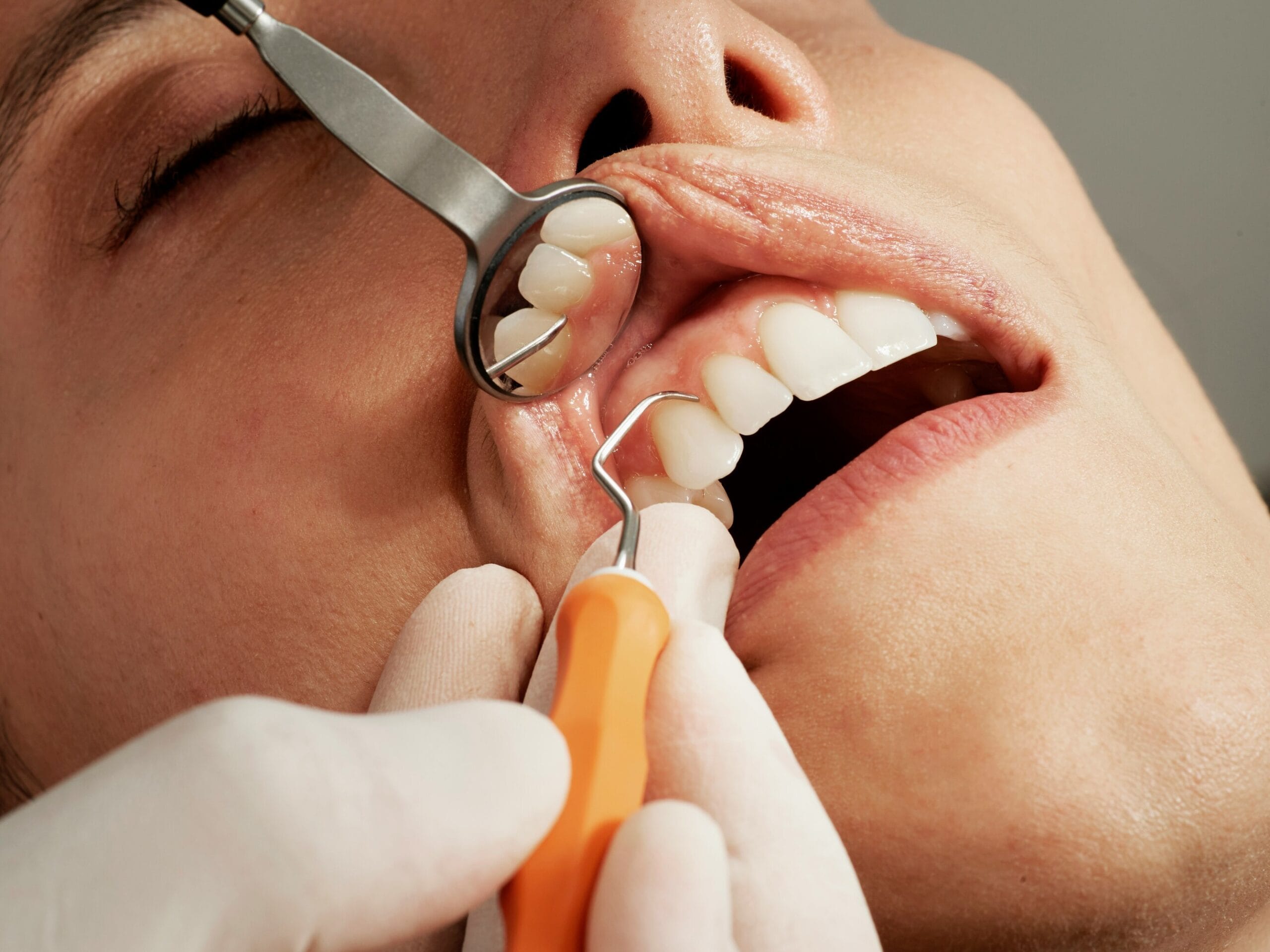
Gum Disease Treatment: Protecting Your Smile with Periodontics
by Zero Seven Dental Practice.
Strong gum health is the foundation of everything we do at Zero Seven. You might not think about your gums as often as your teeth, but they play a vital role – supporting and protecting every tooth in your mouth. Periodontics is the area of dentistry dedicated to preventing, diagnosing, and treating gum disease, and it is one of the most important parts of maintaining a healthy smile for life.
What is gum disease?
Gum disease begins quietly. Plaque – the soft, sticky film of bacteria that builds up on teeth – accumulates along the gumline, and if it is not removed through regular brushing and flossing, it irritates the gum tissue. In its early stage, known as gingivitis, you might notice your gums look red or feel swollen, and they may bleed when you brush. The encouraging news is that gingivitis is reversible with the right care.
Left untreated, however, gingivitis can develop into periodontitis – a more serious condition where the bone and tissue supporting your teeth begin to break down. According to the NHS, gum disease is one of the most common oral health conditions in adults in the UK, which is why awareness and early action matter so much.
Signs to watch for
Gum disease does not always cause pain, which is why it can be easy to overlook. The most common signs include bleeding when you brush or floss, persistent bad breath, gums that appear to be pulling away from your teeth, and teeth that feel loose or have shifted position. If any of these sound familiar, it is worth booking an appointment sooner rather than later.
How we treat gum disease
Treatment depends on how far the condition has progressed. In the earlier stages, a professional clean from our hygienist – combined with improvements to your daily routine at home – can often be enough to get things back on track.
For more advanced cases, we may recommend a deeper clean known as scaling and root planing. This removes built-up tartar from below the gumline and smooths the root surfaces to help the gums reattach. In some situations, further treatment such as gum grafting or periodontal surgery may be needed to address deeper pockets of infection, or to restore tissue that has receded over time.
Why acting early makes all the difference
The earlier gum disease is caught, the simpler the treatment tends to be – and the lower the long-term cost to both your oral health and your wallet. Beyond your mouth, there is growing evidence that untreated gum disease is associated with wider health conditions. Research highlighted by the governmental Department of Health and Social Care has pointed to links between periodontitis and systemic conditions including heart disease and type 2 diabetes, a reminder that looking after your gums is about more than just your smile.
Looking after your gums at home
Good home care goes a long way. Brushing twice a day, flossing daily (or using interdental brushes), and attending regular hygiene appointments are the most effective steps you can take. If you smoke, reducing or stopping will significantly lower your risk.
Frequently Asked Questions
Why is gum health so important for overall oral health?
Your gums support and protect your teeth, anchoring them in place and shielding the roots from bacteria. When gum disease is left untreated, it can lead to bone loss and, ultimately, tooth loss. There is also a growing body of research linking gum disease to conditions such as heart disease and type 2 diabetes, so protecting your gums matters for your general health, not just your smile.
What causes gum disease?
The main cause is plaque buildup from insufficient oral hygiene. Other risk factors include smoking, stress, certain medications, a genetic predisposition, and health conditions such as diabetes.
What treatments are available beyond a deep clean?
For more advanced cases, options include laser therapy to remove infected tissue, gum grafting to restore areas where the gums have receded, and periodontal surgery to eliminate deep pockets of infection around the tooth roots.
Can gum disease come back after treatment?
Yes, it can – which is why periodontal care is an ongoing commitment rather than a one-off fix. Maintaining a thorough home routine and attending regular maintenance appointments is essential to keeping the condition from recurring.
Next steps
If you have any concerns or questions about gum disease, or have noticed any of the symptoms we’ve described, please get in touch by phone or email. The sooner we see you, the sooner we can put your mind at reast.