
Root Canal Treatment: Saving Your Natural Tooth
The words “root canal” tend to make people nervous, but in practice the procedure is far less daunting than its reputation suggests. It is one of the most effective treatments dentistry has to offer – a way to relieve significant pain, clear a serious infection, and save a tooth that might otherwise be lost.
What is a root canal?
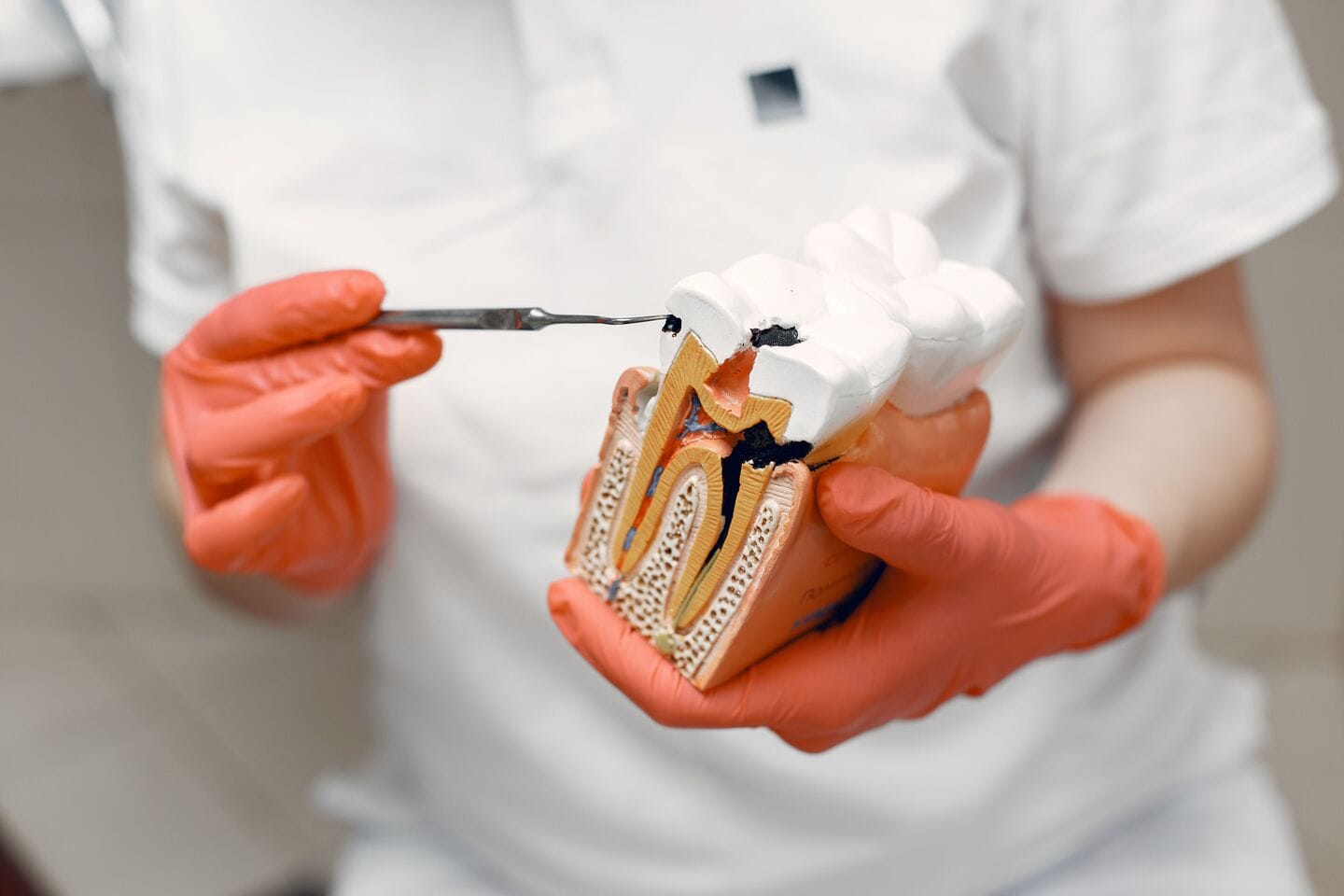
Inside every tooth, underneath the hard enamel and dentine, there’s a soft tissue called the pulp. This contains nerves and blood vessels that help the tooth develop. When the pulp becomes infected – usually due to deep decay, a crack, or a chip – bacteria can multiply rapidly inside the tooth, causing pain and, if left untreated, spreading to the surrounding tissue.
A root canal isn’t part of your tooth but is a dental procedure. It involves removing the infected pulp, cleaning and disinfecting the canals inside the tooth, and sealing everything off to prevent re-infection. The tooth remains in place, looking and functioning much as it did before.
Signs you might need treatment
Symptoms that typically indicate a root canal may be needed include a severe or persistent toothache, increased sensitivity to hot or cold that lingers after the source is removed, swelling around the gum, and a darkening of the tooth. Sometimes a small, raised spot on the gum – a sign that an abscess may be forming beneath the surface – is the first clue. Not every symptom appears in every case, and some infections cause surprisingly little discomfort at first, which is why regular dental check-ups are so valuable.
What does the procedure involve?
Modern root canal treatment is carried out under local anaesthetic, so you should feel no pain during the procedure – just some pressure and movement. The dentist removes the infected pulp, carefully shapes and disinfects the root canals, and fills them with a biocompatible material before sealing the tooth. Most cases are completed in one or two appointments.
Is it painful?
One of the biggest misconceptions about root canal treatment is that it is painful. According to the British Endodontic Society, most patients find the procedure no more uncomfortable than having a filling. Any soreness in the days following treatment is usually mild and manageable with over-the-counter pain relief.
After treatment: why a crown often follows
Once the root canal is complete, the tooth can become more brittle over time, as it no longer has a living pulp to keep it nourished. A crown is usually recommended to protect the tooth from fracture and restore it to full function. With proper aftercare, a root-canal-treated tooth can last for many years.
What happens if you delay?
A pulp infection will not clear up on its own. Left untreated, it can spread to the surrounding bone, cause an abscess, and ultimately lead to tooth loss. Early treatment is always the simpler, less costly option – and it preserves your natural tooth, which is always the preferred outcome.
Frequently Asked Questions
What are the signs I might need a root canal?
The most common symptoms are a severe or persistent toothache, prolonged sensitivity to hot or cold, swelling near the affected tooth, darkening of the tooth, and a small, raised spot on the gum. But some cases have few obvious signs, so regular check-ups remain important.
What happens during the procedure?
The dentist numbs the tooth and surrounding area, then removes the infected pulp. The root canals are carefully shaped, disinfected, and filled with a biocompatible material before the tooth is sealed. The process is methodical, and the vast majority of patients don’t experience any discomfort.
Why is a crown often recommended afterwards?
After a root canal, the tooth no longer receives nourishment from the pulp and can become more brittle. A crown fits over the tooth to protect it from cracking under everyday chewing pressure and restores its appearance and strength.
What happens if I delay treatment?
Infection inside a tooth will not resolve without intervention. It can spread to the jawbone and nearby teeth, lead to abscess formation, and in some cases result in tooth loss. Prompt treatment is always the simpler and safer option.